Plumber, Repipe & Hot Water Tank Service in Surrey, BC
24/7 Red Seal-certified plumbing across Surrey, Langley, Abbotsford, Mission, and Chilliwack. Whole-home PEX & copper repipes, hot water tank install/repair, tankless, drain & leak. Up-front flat-rate pricing.
· Red Seal Certified Plumbers· BC Trade Authority Licensed· $5M Liability Insurance· WorkSafeBC Compliant· Permits Pulled· Workmanship Warranty
Repiping in Surrey, BC
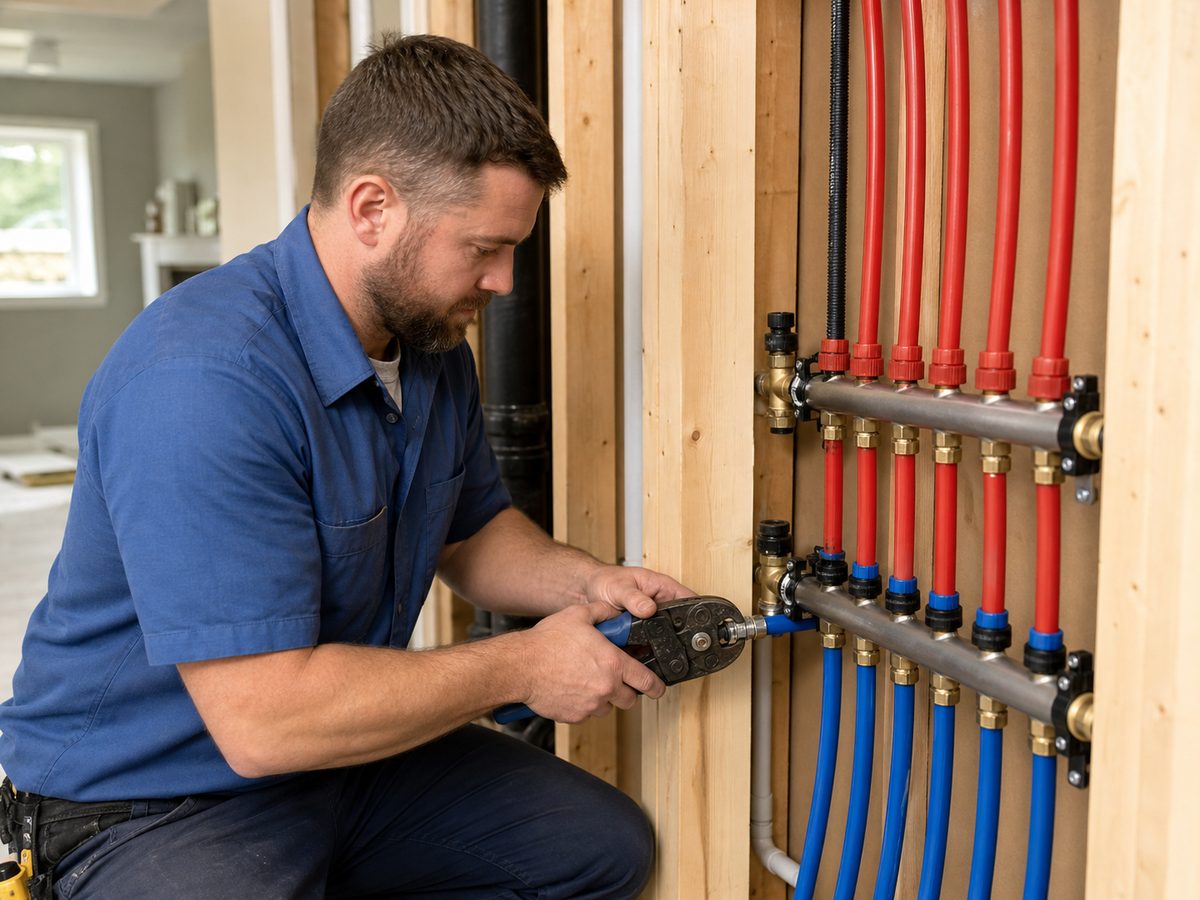
Whole-home repiping is our #1 service in Surrey. We replace polybutylene (the gray plastic pipe used in BC homes 1978–1995), galvanized steel, and failing copper with PEX or new Type L copper. Most Surrey homes are repiped in 2–4 working days. Free in-home estimate, fixed flat-rate quote, full BC permits pulled.
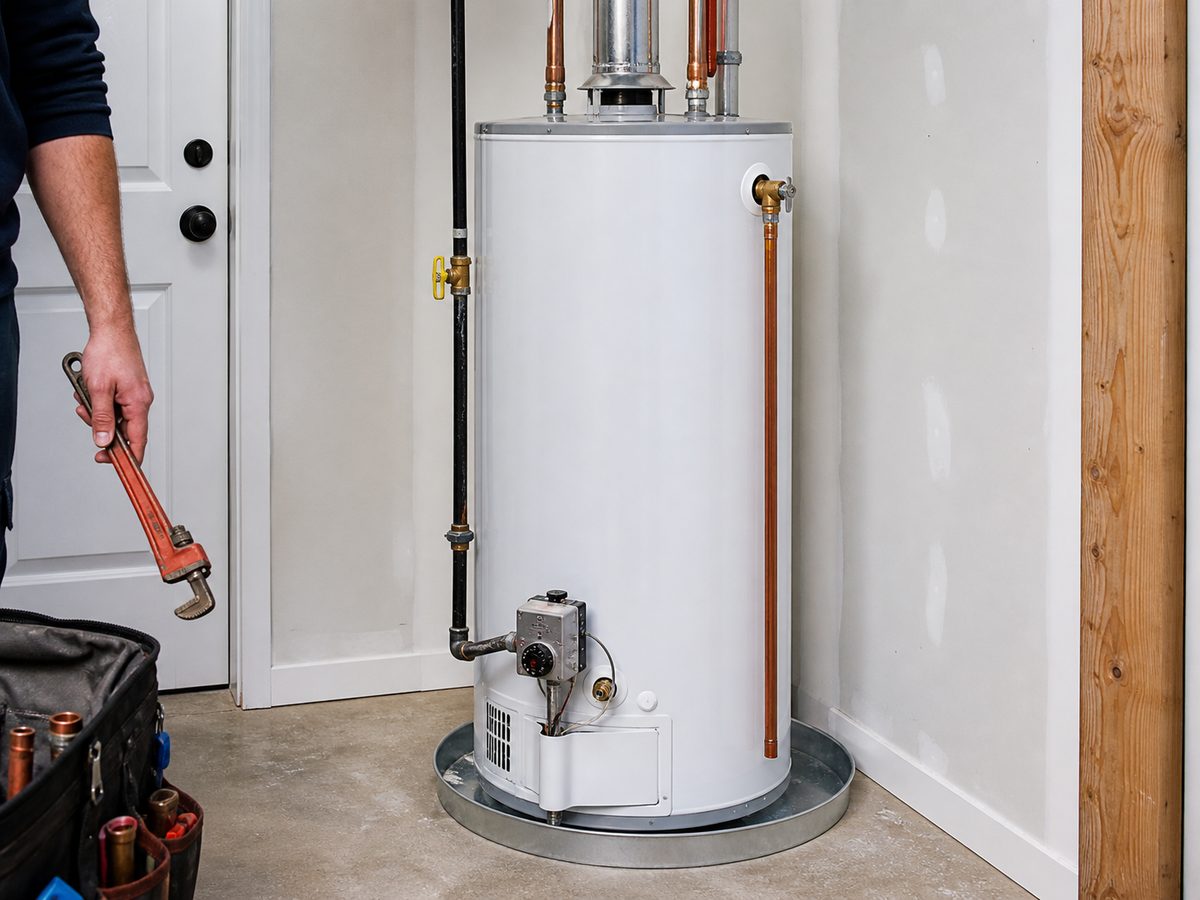
Same-day hot water tank install in Surrey, Langley, Abbotsford, Mission, and Chilliwack when stock is on the truck. Gas, electric, heat pump hybrid, and tankless. Heat pump installs qualify for stacked BC rebates we file on your behalf. Old tank haul-away included. Free quote — call us.
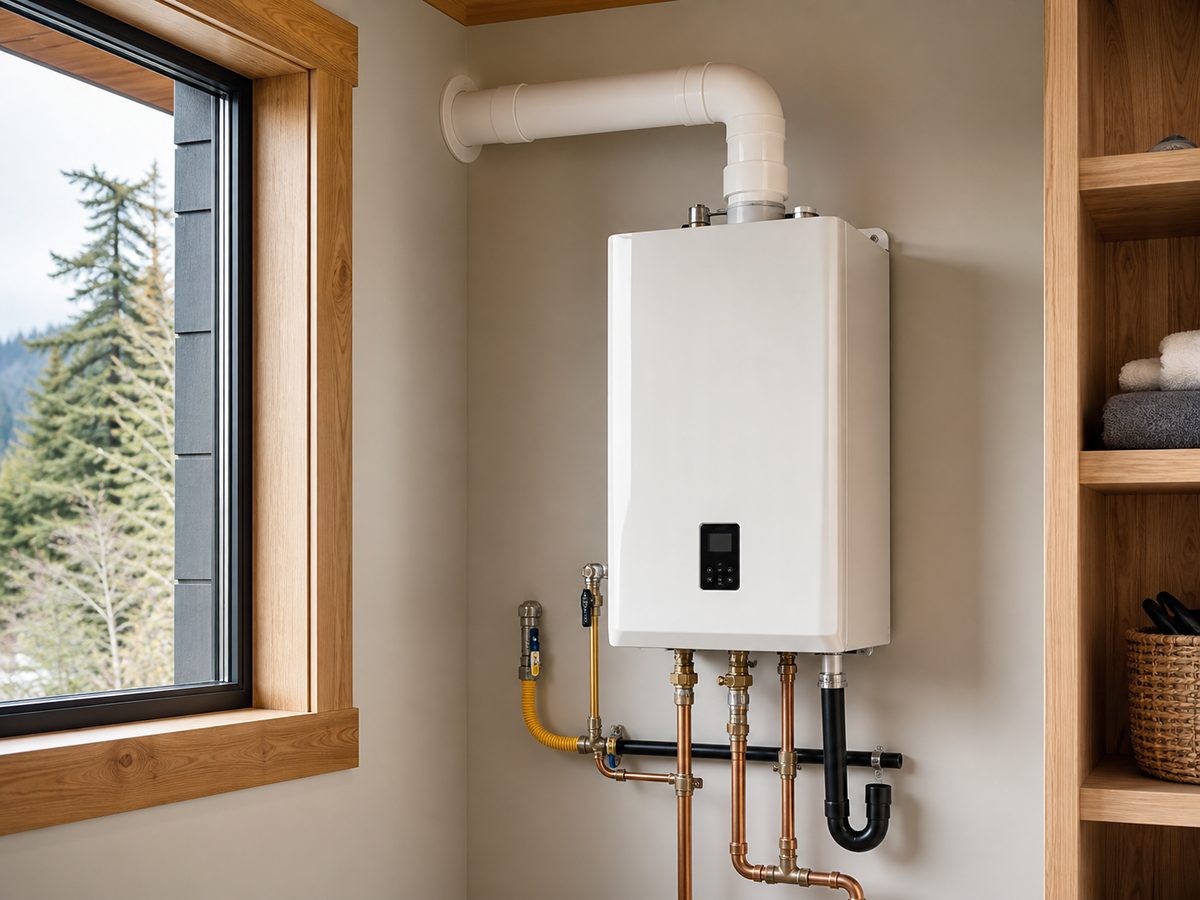
Continuous hot water, 20+ year service life, wall-mounted footprint. We size, install, and venting-upgrade tankless units across the Fraser Valley. Includes gas line sizing check and annual descaling plan for hard-water Mission and Abbotsford areas.
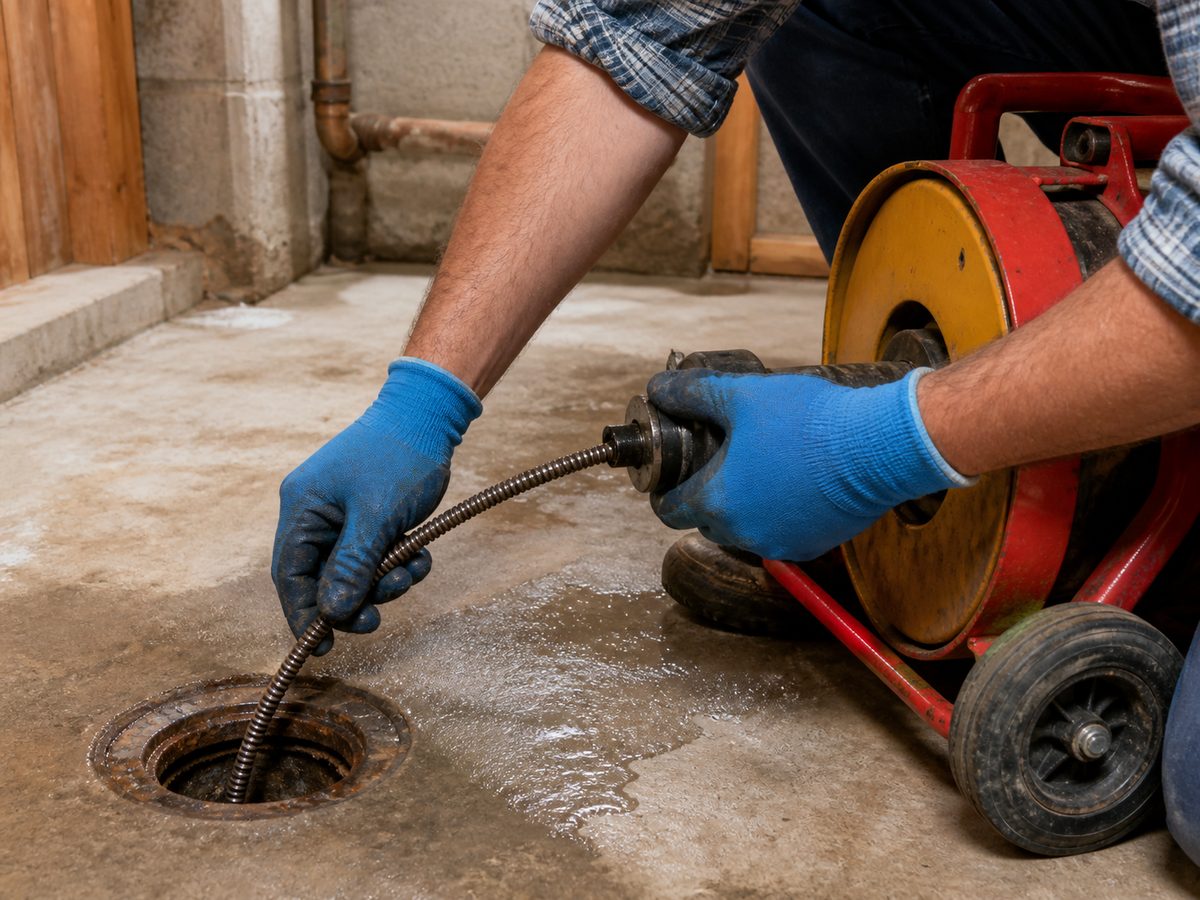
Slow drain, recurring backup, sewer-line root intrusion — we snake, hydro-jet, and camera-inspect. Most Surrey drain calls finished in one visit at a flat-rate quote given before we start. We diagnose root cause so the same drain does not back up again next month.
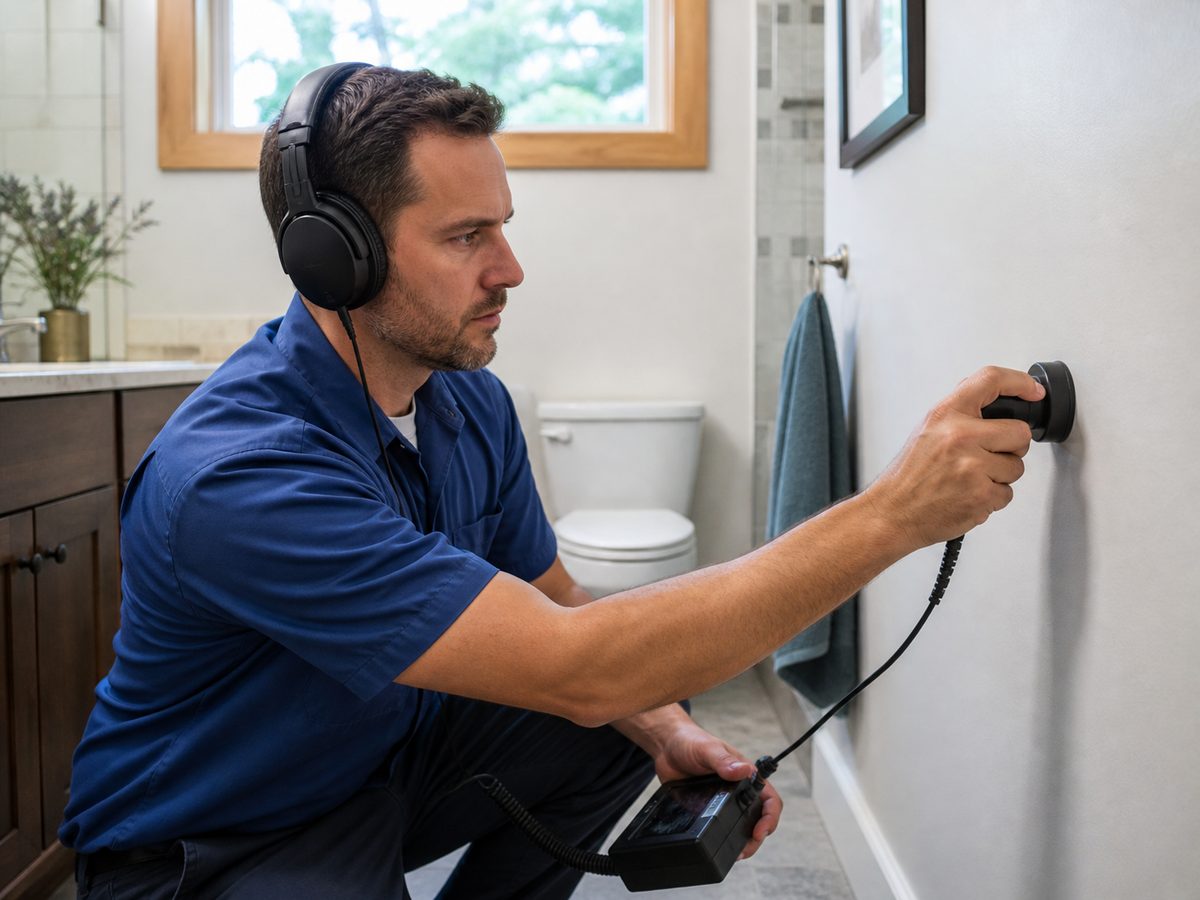
Acoustic and thermal leak detection finds slab and in-wall leaks without unnecessary drywall damage. Repair is quoted as a flat rate before we open anything. We pinpoint, then fix.
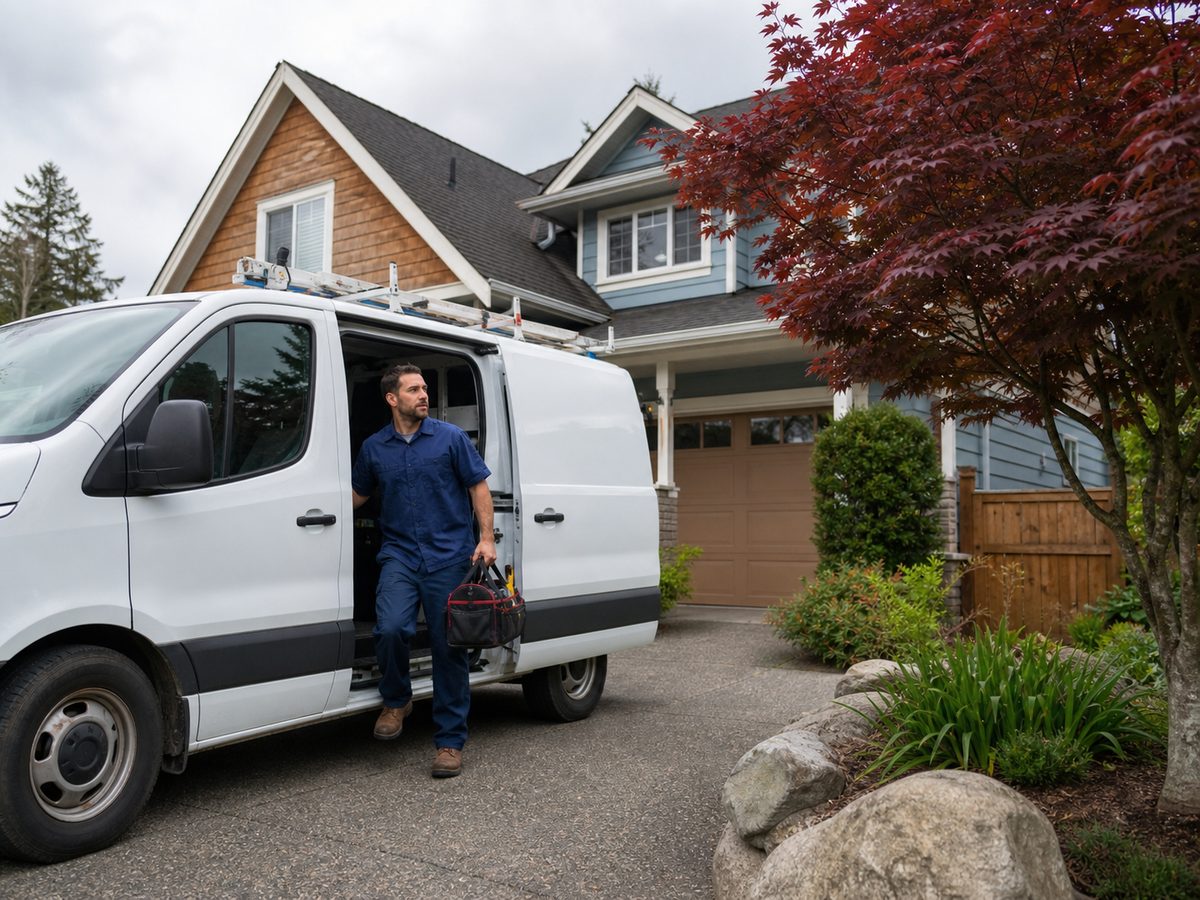
Burst pipe at 2am? Sewer backup on a Sunday? Real Red Seal plumbers on call 24/7 across Surrey, Langley, Abbotsford, Mission, and Chilliwack. Most emergency arrivals under 60 minutes during business hours, under 90 minutes overnight.
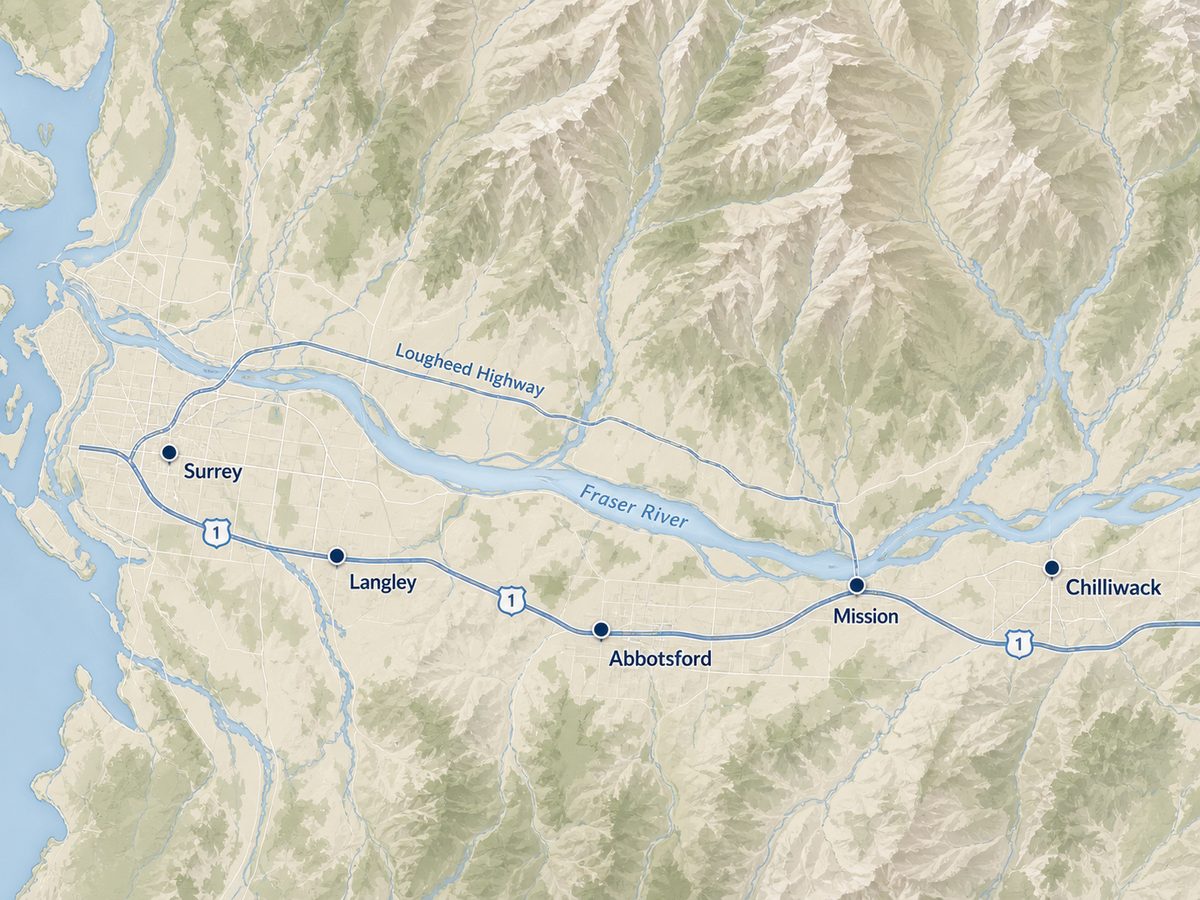
We cover all 5 Fraser Valley cities — Surrey, Langley, Abbotsford, Mission, Chilliwack — including Cloverdale, Newton, South Surrey, Walnut Grove, Aldergrove, Clayburn, Sumas, Hatzic, Sardis, Promontory, and Vedder. Highway 1 and Lougheed Highway corridors. Local plumber, not a national franchise.
Two pipe materials in Fraser Valley homes guarantee a flood eventually: polybutylene (gray plastic, 1978–1995) and galvanized steel (pre-1960). If you have either, repipe is a when-not-if decision.
Polybutylene piping (gray plastic)
Installed in BC homes built 1978–1995. Brittle, fails at fittings. Not insurable. Full repipe is the only fix.
Galvanized steel water lines
Common in pre-1960 Fraser Valley homes. Internal corrosion restricts flow and leaches lead. Visible rust at fittings.
Pinhole leaks in copper
Pre-1980 thin-wall copper or aggressive water chemistry. Recurring leaks in different rooms means whole-home repipe time.
Discoloured or metallic-tasting water
Brown/yellow water at first draw after sitting overnight indicates pipe-wall corrosion.
Low water pressure throughout home
When the issue affects multiple fixtures and is not an aerator/cartridge problem, pipe restriction is the cause.
Recurring water bills creeping up
Hidden slab or wall leaks from failing pipes. Compare last 3 BC Hydro/utility bills against last year.
When to Replace Your Hot Water Tank
BC hot water tanks last 10–13 years (gas) or 12–15 years (electric). Past those numbers, you are renting a flood. Six warning signs that mean replace now:
Tank is 10–12+ years old
BC average lifespan is 10–13 years for gas, 12–15 for electric. Past that, replacement beats repair on cost.
Rusty or discoloured hot water
Internal tank corrosion. Anode rod has failed. Tank failure is imminent.
Rumbling or popping noises
Sediment buildup at tank bottom. A flush may help short-term; replace if heavy buildup.
Water pooling around base
Tank seam or fitting failure. This is a flood waiting to happen — replace immediately.
Inconsistent or insufficient hot water
Failing element (electric), thermocouple/burner (gas), or undersized tank for household.
Pilot light keeps going out
Thermocouple failure or venting issue. Diagnose before assuming replacement — call for a free quote.
Tank vs Tankless vs Heat Pump — Surrey Comparison
Three water-heater options for BC homes, side-by-side on the dimensions that matter.
Factor
Conventional Tank
Tankless
Heat Pump (Hybrid)
Install cost
Lowest
Medium
Medium (rebate-offset)
BC rebate eligibility
Limited
Some
Highest (we file paperwork)
Service life
10–15 years
20+ years
13–17 years
Annual operating cost
Higher
Lower
Lowest
Continuous hot water?
No (tank limit)
Yes
Yes (with tank)
Footprint
Medium
Smallest (wall-mount)
Largest
Best fit
Standard 1–4 person home
High-demand or space-constrained
Lowest operating cost, finished mech room
BC Water Heater Rebates We File for You
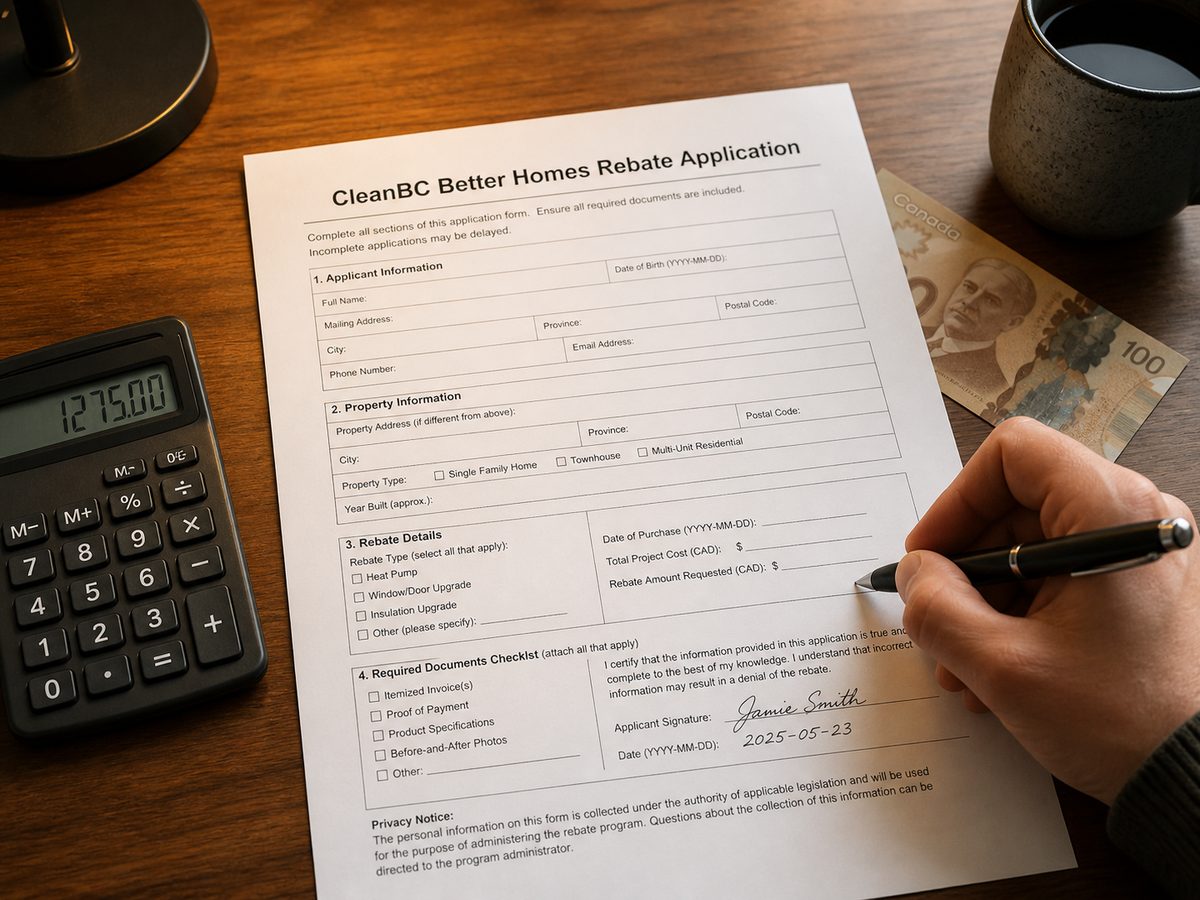
We handle all rebate paperwork on your behalf — federal, provincial, and utility. Call for a free quote and we will calculate your stacked savings.
Repair and install quotes given before any work starts. No clock-watching, no parts markup surprises.
24/7 Live Dispatch
A live plumber answers — not a voicemail. Burst pipes happen at 2am; we know.
Red Seal Plumbers
Every tech is Red Seal certified and BC Trade Authority licensed. Permits pulled, work inspected.
Workmanship Warranty
If it is not right, we make it right. No re-call fees on warranty work.
Fraser Valley Plumbing Service Area
Surrey-anchored, serving the full Fraser Valley corridor — Surrey, Langley, Abbotsford, Mission, and Chilliwack — including the Highway 1 and Lougheed Highway corridors:
BC-specific advice from our plumbers — written for homeowners, reviewed by Daniel Hayes, Red Seal Plumber.
When to Repipe Your Surrey, BC Home — Polybutylene & Galvanized Warning Signs
Reviewed by Daniel Hayes, Red Seal Plumber · Last updated · ~3 min read
TL;DR: Repipe immediately if your home has polybutylene (gray plastic, BC homes 1978–1995) or galvanized steel water lines. Both fail catastrophically and are not insurable.
Two pipe materials in Fraser Valley homes guarantee a flood eventually: polybutylene and galvanized steel. Here is how to identify them.
Surrey, Langley, Abbotsford, Mission, and Chilliwack housing stock spans nearly a century, which means the water lines inside Fraser Valley homes vary from 1940s galvanized steel to 2020s PEX. Two materials in the middle of that timeline are why repipe is one of the most common large plumbing jobs in BC: polybutylene (1978–1995) and galvanized steel (pre-1960).
Polybutylene is the bigger problem. It is a gray (sometimes blue) plastic pipe that was sold as the future of residential plumbing in the 1980s. It works fine for the first 10–15 years, then chlorine in BC municipal water oxidizes the inner wall, the pipe becomes brittle, and fittings begin to fail. The failure mode is sudden — usually a fitting splits at 2am and floods a finished basement. Most BC home insurers either exclude polybutylene damage or require a full repipe before renewing a policy.
Galvanized steel was standard in homes built before 1960. The galvanized coating protects the steel from rust for the first 30–50 years; after that, internal corrosion restricts the pipe diameter (a ¾" galvanized line can effectively become ⅜" inside). Pressure drops, hot water gets sediment-coloured, and lead from the old galvanizing process can leach into drinking water. Galvanized hot lines fail before cold lines because heat accelerates corrosion.
PEX (cross-linked polyethylene) is the current standard. It is flexible, freeze-tolerant, has fewer joints than copper, and installs faster. A PEX repipe of a typical Surrey 2,000 sq ft home takes 2–4 working days. Type L copper is the premium option and remains the right call for hot recirculation lines and high-end builds.
A partial repipe makes sense when only one section has failed — typically the hot water side of an old galvanized house, or a known polybutylene branch. But if you find polybutylene in one location, assume it runs throughout the house. Call us for a free in-home assessment and a fixed flat-rate quote — no surprises.
Tankless vs Tank Water Heater: Which is Best for BC Homes?
Reviewed by Daniel Hayes, Red Seal Plumber · Last updated · ~3 min read
TL;DR: Conventional tank for households of 1–4 with steady hot water demand. Tankless for households of 5+, multi-shower simultaneously, or where space is at a premium. Heat pump water heater for the lowest BC operating cost.
There is no universal answer — it depends on household size, hot water timing, and whether you want to capture BC rebate money on a hybrid system.
A conventional 40–50 gallon tank water heater is the right answer for most Surrey homes. Long lifespan, easy install, and easily meets the demand of a 1–4 person household. The downside is standby heat loss — it spends energy keeping water hot 24/7 even when no one is home.
A tankless (on-demand) unit heats water as it flows. The advantages are unlimited continuous hot water and a 20+ year service life. The trade-offs are a higher install cost, the need for periodic descaling in hard-water Fraser Valley areas, and a flow-rate ceiling that can disappoint if two showers and a dishwasher run simultaneously.
Heat pump (hybrid) water heaters are the third option and increasingly the smart choice for BC homes. They use a small heat pump on top of a storage tank to extract heat from surrounding air, cutting electricity use by 60–70% versus a conventional electric tank. Stacked CleanBC, BC Hydro, and Greener Homes rebates bring net cost in line with a premium gas tank install — and we file all the paperwork on your behalf.
The tankless decision often comes down to: do you have a gas line already, and is your household pattern bursty (everyone showers in the same hour) or steady? Bursty + gas line + space at a premium = tankless. Steady + electric + finished mechanical room = heat pump water heater. Neither + simple replacement = conventional tank. Call us for a free in-home assessment — we will tell you honestly which fits your home.
One Fraser Valley-specific note: water hardness varies by municipality. Mission and parts of Abbotsford run harder than Surrey municipal water. Hard water cuts tankless efficiency and lifespan if descaling is skipped. Annual descaling is non-negotiable on tankless in those areas.
How to Tell If Your Hot Water Tank Is About to Fail (And What It Costs in Surrey)
Reviewed by Daniel Hayes, Red Seal Plumber · Last updated · ~3 min read
TL;DR: Pooling water at the base, rust-coloured hot water, rumbling/popping noises, or any tank 10+ years old means replace now. Tankless or heat pump replacement is often cheaper long-term than another conventional tank.
The cheapest hot water tank replacement is the one you do on a Tuesday morning, not the one you do at 11pm with water on the basement carpet.
BC hot water tanks last 10–13 years (gas) or 12–15 years (electric). Past those numbers, you are renting a flood. The catastrophic failure mode is a corroded tank seam letting go and dumping 40–80 gallons onto the floor, often overnight.
The earliest warning sign most Surrey homeowners miss is rust-coloured or metallic-tasting hot water. The internal anode rod is sacrificial — it corrodes instead of the tank lining. Once the anode is consumed (usually 5–7 years in), the tank wall starts corroding. If you replace the anode rod before that point, you can extend tank life by 5–8 years.
Rumbling or popping noises indicate sediment buildup at the bottom of the tank. Sediment forms an insulating layer that forces the burner or element to overheat the bottom of the tank, accelerating failure. An annual flush prevents this; a tank that has never been flushed in 10 years usually has 2–4 inches of sediment.
Pooling water around the base is the do-not-wait sign. Even a slow drip means the inner tank has corroded through. There is no repair — replacement is the only option. Cut power or gas, shut off cold supply, and call.
Same-day install is standard if we have your size in stock. The premium for going to a heat pump water heater pays back within a few years and qualifies for stacked BC rebates we file on your behalf. Call for a free in-home quote.
Plumbing Glossary for BC Homeowners
Plain-language definitions of the terms you will see on quotes and rebate paperwork.
PEX
Cross-linked polyethylene. Flexible plastic water-line pipe. The current standard for residential repipe in BC. Freeze-tolerant, faster to install than copper.
Polybutylene
Gray plastic water pipe used in BC homes 1978–1995. Fails at fittings as it ages. No longer code-compliant; full repipe required.
Type L Copper
Medium-wall copper pipe, the most common copper used for residential repipes in BC. Lasts 50+ years if water chemistry is normal.
Anode Rod
Sacrificial magnesium or aluminum rod inside a hot water tank. Corrodes instead of the tank lining. Should be inspected at year 5 and replaced if more than 50% consumed.
T&P Valve
Temperature & Pressure relief valve on a hot water tank. Required by code. Dumps water if tank pressure or temperature exceeds safe limits.
Expansion Tank
Small auxiliary tank on the cold inlet that absorbs thermal expansion. Required by BC code on closed-loop hot water systems.
GPM
Gallons per minute. Tankless water heater capacity rating. A 4-bath BC home typically needs 7+ GPM continuous capacity.
Pressure Regulator
Valve at the water service entrance that limits incoming municipal pressure to safe household levels (typically 60 psi). Failed regulators cause pipe and fixture damage.
Hydro-Jetting
High-pressure water-jet drain cleaning. Removes grease, roots, and scale that snaking misses. Standard for recurring drain backups.
Watermain
The buried service line connecting your home to the municipal water supply. Replacement cost depends on length, access, and whether trenchless options are possible.
Plumbing FAQ — Surrey & Fraser Valley
How much does a whole-home repipe cost in Surrey, BC?
Final price depends on number of fixtures, accessibility (slab vs crawlspace vs basement), and drywall repair. We give a fixed flat-rate quote after a free in-home assessment — no surprises, no hourly clock-watching.
How long does a Surrey home repipe take?
Most Surrey single-family homes are repiped in 2–4 working days. PEX is faster than copper because of fewer joints and pull-through routing. Water is shut off only during specific tie-in windows — typically 2–4 hours per day, not the full job duration.
How do I know if my Surrey home has polybutylene pipes?
Polybutylene is gray (sometimes blue) plastic pipe, ½" or ¾", with copper or grey plastic fittings. Look at exposed pipes at your hot water tank, under sinks, or near the water shutoff. BC homes built 1978–1995 commonly have it. Polybutylene is no longer code-compliant and is uninsurable in most cases — full repipe is the standard fix.
How much does a hot water tank cost installed in Surrey?
Cost depends on tank type (gas, electric, heat pump hybrid, tankless), size, venting needs, and rebate eligibility. All quotes include permits, venting checks, and old tank haul-away. Heat pump hybrids stack significant BC rebates we file on your behalf. Call for a free quote.
How long does a hot water tank last in BC?
Gas tanks last 10–13 years; electric tanks 12–15 years. Hard-water Fraser Valley areas (parts of Mission, Abbotsford) trend to the lower end without anode-rod replacement at year 5–6. Annual flushing extends life by 2–3 years.
Should I repair or replace my hot water tank?
If the tank is under 8 years old and the fault is the thermocouple, element, or T&P valve, repair is usually the right call. If the tank is 10+ years old, leaking, or the failure is internal corrosion, replace. We diagnose first and recommend the lower-cost path 80% of the time.
Are heat pump water heaters worth it in BC?
For most Surrey, Langley, Abbotsford, Mission, and Chilliwack homes — yes. They cut hot water electricity use by 60–70%, qualify for stacked CleanBC, BC Hydro, and Greener Homes rebates we file on your behalf, and pay back the install premium within a few years. They need a warm space (mechanical room, garage in mild climates) and produce some cool air as a side effect — an asset in summer.
Do you offer 24/7 emergency plumbing in Surrey?
Yes — 24 hours, 7 days a week, including statutory holidays. For burst pipes, sewer backups, or no-hot-water emergencies, call (778) 731-0382 and we will dispatch a Red Seal-certified plumber.
Are you licensed and insured in BC?
Yes. All plumbers are Red Seal certified and licensed under BC trade authority. Fully insured, bonded, and WorkSafeBC compliant on every job. Permits are pulled for repipes, watermain, and tank installs.
About the Author / Reviewer
Daniel Hayes, Red Seal Plumber
Daniel is the lead plumber at Surrey Plumbing Pros. He holds a Red Seal in Plumbing and is a BC Cross Connection Control Specialist. He has 16 years of residential and light commercial plumbing experience across the Fraser Valley and specializes in whole-home repipes (PEX and copper), heat pump water heater installations, and CleanBC rebate filings. Every article on this page is fact-checked against current BC Plumbing Code and 2026 rebate amounts.
Real customer feedback from Surrey, Langley, Abbotsford, Mission, and Chilliwack homes.
“My polybutylene pipes finally let go in February — finished basement, 2am, water everywhere. They had a plumber on-site in under an hour, did the emergency repair, then came back the next week and did the full house repipe in 3 days. The flat-rate quote was exactly what I paid. No surprises.”
“Old hot water tank started leaking on a Saturday. Called Sunday morning, had a new 50-gallon installed by Sunday afternoon. They even filed my BC Hydro rebate paperwork. I have already given their number to two neighbours.”
“Switched from a 12-year-old gas tank to a heat pump water heater. They walked me through every rebate and got me solid stacked savings. My BC Hydro bill dropped noticeably right away. Friendly, fast, and they cleaned up after themselves.”
“Had a slow leak somewhere in a wall I could not find. Acoustic detection located it in 20 minutes, repair was a 1-hour job. They saved me from tearing apart half the bathroom. Honest, fair, fast.”